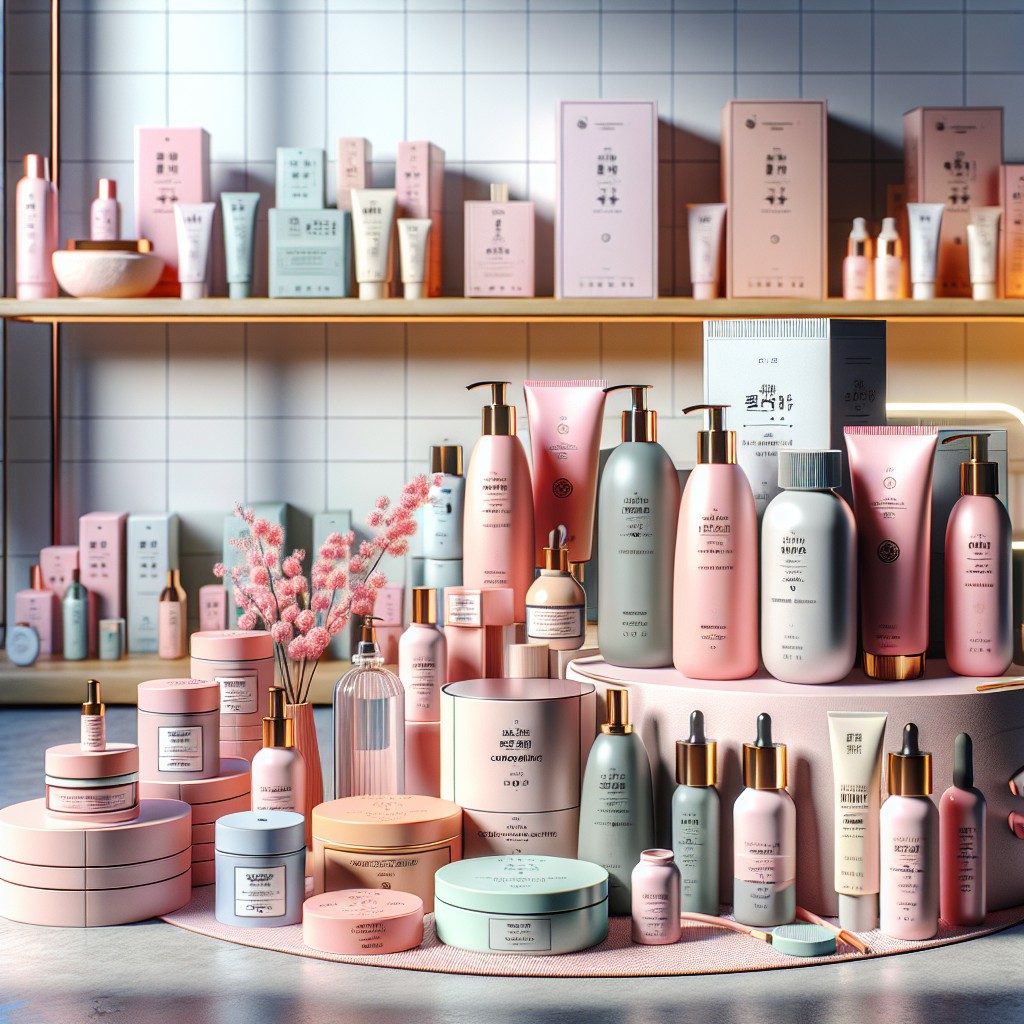
The global popularity of K-beauty has soared in recent years, enticing consumers with promises of innovative skincare and unique formulations. However, as the market evolves, it becomes crucial to separate genuinely new advancements from trends that are repackaged or overhyped. This article examines the latest developments in K-beauty, offering an informed view on what innovations hold true value and which may be temporary marketing strategies.
Emergence of Sustainable and Eco-Friendly Formulations
One of the most tangible shifts within the K-beauty industry is the increased focus on sustainability. Brands have begun reformulating products to use biodegradable ingredients and eco-conscious packaging. This trend goes beyond mere marketing jargon, reflecting a concrete response to growing environmental concerns among consumers globally. Korean manufacturers are investing in research to develop formulas that minimize ecological impact without sacrificing performance, making this a genuinely new direction for the sector.
Integration of Novel Biotechnologies in Skincare
Recent scientific advancements have enabled several K-beauty brands to integrate biotechnology into their products. These innovations include the use of fermentation processes to enhance ingredient absorption and the incorporation of plant stem cells for skin regeneration. While fermentation in skincare has existed for some time, its application here has become more sophisticated, resulting in formulations that outperform traditional products in hydration and anti-aging effects.
Rebranding Existing Concepts with High-Tech Packaging
Conversely, not every emerging trend signifies genuine innovation. Several K-beauty products emphasize high-tech packaging, such as airless pump bottles or LED light cases, to signal modernity. While these designs are visually appealing and improve product preservation, they often mask formulations similar to previous versions. This approach constitutes rebranded hype rather than a substantive improvement, primarily relying on aesthetic and convenience upgrades to attract buyers.
Claims of Exotic Ingredients: Distinguishing Fact from Marketing
The use of exotic or traditional ingredients such as snail mucin, ginseng extracts, and fermented rice water remains a pillar of K-beauty marketing. Nevertheless, current analysis shows that these ingredients are well-established in Korean skincare and are being repackaged with buzzwords to create a sensation of novelty. The efficacy of these compounds is supported by scientific studies, but their popularity is more cyclical branding than a genuine recent development.
Digital Personalization and AI in Product Recommendations
Another area seeing significant advancement is the use of artificial intelligence and digital platforms to personalize skincare routines. Leading K-beauty companies now offer apps and tools that analyze skin conditions via photos or questionnaires to customize product selection. This technological integration marks a genuine evolution in how consumers engage with K-beauty, enabling tailored solutions that improve user satisfaction and outcomes. However, the technology is still developing, and results vary depending on the sophistication of the platform.
In conclusion, the K-beauty industry continues to innovate, but discerning consumers should recognize the difference between substantial advancements and repackaged concepts. Sustainable formulations and biotechnological integration represent true progress, while some packaging and ingredient marketing can be classified as strategic hype. As AI personalization tools mature, they may further revolutionize the space, suggesting that K-beauty’s evolution remains dynamic yet requires critical evaluation.
Frequently Asked Questions about K-beauty
What makes sustainable K-beauty products genuinely new?
Sustainable K-beauty products stand out for their eco-friendly ingredient choices and biodegradable packaging, reflecting an authentic shift toward environmental responsibility rather than mere marketing claims.
Are biotech ingredients in K-beauty truly innovative?
Yes, the incorporation of fermentation and plant stem cells in K-beauty formulations represents genuine scientific advances that improve product performance compared to traditional skincare options.
Is the hype around exotic ingredients in K-beauty justified?
While ingredients like snail mucin and ginseng have proven skincare benefits, their current prominence is more a matter of rebranding familiar components than introducing something entirely new.
How reliable are AI-based personalization tools in K-beauty?
AI tools for K-beauty personalization offer improved skincare recommendations but vary in accuracy and effectiveness, as the technology is still evolving and depends on data quality.
Does high-tech packaging in K-beauty products indicate innovation?
High-tech packaging often enhances usability and preservation but does not necessarily reflect innovation in the skincare formulations themselves, sometimes serving as a marketing strategy.