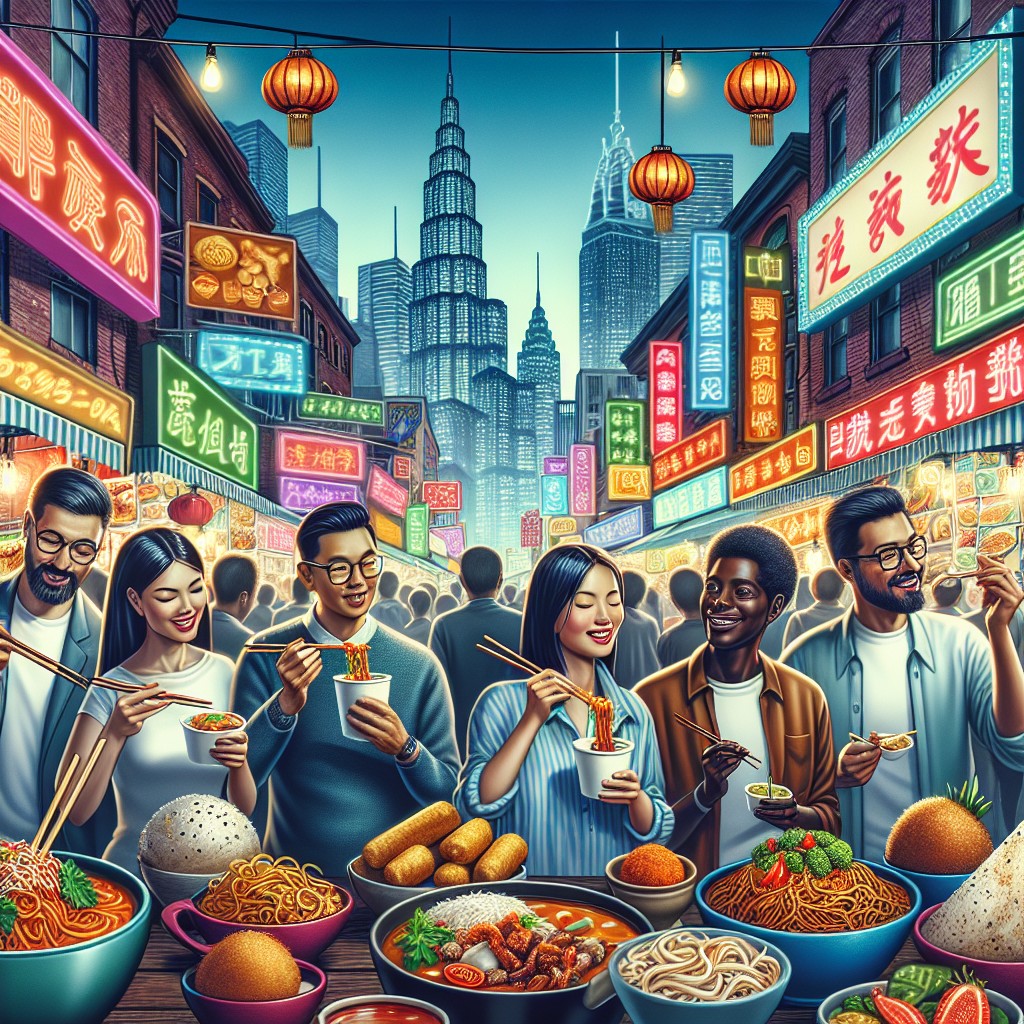
In recent years, street food has become a significant cultural phenomenon across major cities globally. This culinary movement reflects both traditional recipes and innovative gastronomic fusions, captivating locals and tourists alike. As cities expand and globalize, street food stands out as a dynamic expression of food culture.
Urban Diversity Drives Street Food Popularity
Big cities are melting pots of diverse communities, and this diversity is vividly expressed through street food. From the vibrant taco stands in Mexico City to the bustling night markets of Taipei, street food offers an affordable and accessible way to experience global flavors. Urban dwellers increasingly seek quick, flavorful meals that also offer a cultural narrative, making street food a popular choice.
Health and Sustainability Influence Street Food Offerings
Contemporary street food vendors are adapting to rising consumer awareness regarding health and environmental impact. Many have integrated locally sourced ingredients and sustainable packaging solutions. Nutritionally balanced options are becoming widespread, catering to health-conscious consumers without compromising on taste. The intersection of sustainability and street food reflects broader trends in food production and consumption within metropolitan areas.
Technology Enhances the Street Food Experience
The integration of technology is reshaping how customers engage with street food. Mobile apps enable pre-ordering, contactless payments, and location tracking of food trucks or stalls, improving convenience and safety. Additionally, social media platforms play a crucial role in promoting street food vendors and creating communities around specific flavors and trends, driving awareness and customer engagement.
Global Flavors Influence Local Cuisines
Street food menus in large cities increasingly showcase fusion dishes that blend culinary traditions from various parts of the world. For example, Korean tacos in Los Angeles or bao buns filled with Latin American ingredients reflect the creative adaptations that exist within street food culture. This cross-pollination enhances gastronomic diversity, offering novel flavors while preserving authentic elements.
Regulation and Safety Standards Evolve
Authorities in many metropolitan areas are updating regulations to better accommodate the street food sector while ensuring public health and safety. Licensing processes, hygiene inspections, and designated vending zones are common measures aimed at supporting vendors and protecting consumers. These frameworks contribute to the professionalization of street food and help maintain high standards.
Overall, the ongoing evolution of street food in major cities worldwide underscores its enduring appeal and adaptability. As global urban populations continue to grow, street food will likely remain a vibrant part of urban life, reflecting changing tastes and social trends while preserving rich culinary heritage. Its capacity to innovate and connect communities positions street food as a crucial element of the modern food landscape.
Exploring the street food scene provides valuable insight into cultural exchange and urban dynamics today. Furthermore, authoritative platforms such as the New York Times Food section offer extensive coverage of current street food movements and innovations across the globe.
Frequently Asked Questions about street food
What defines street food in major cities around the world?
Street food generally refers to ready-to-eat meals or snacks sold by vendors in public spaces, typically offering quick and affordable dining options that reflect local or diverse culinary traditions.
How is street food adapting to health and environmental concerns?
Many street food vendors now prioritize fresh, locally sourced ingredients and sustainable packaging, responding to consumer demands for healthier and environmentally friendly food choices.
In what ways has technology impacted the street food industry?
Technology has enhanced the street food experience through mobile ordering, digital payments, and social media marketing, making access more convenient and promoting vendors more effectively.
Why are fusion dishes becoming common in street food offerings?
Fusion dishes in street food arise from the multicultural makeup of cities, combining elements from different cuisines to create innovative flavors that attract diverse customers.
What role do regulations play in the street food sector?
Regulations help ensure food safety, vendor licensing, and designated vending areas, contributing to a safer and more organized street food environment that benefits both consumers and operators.